


 A smart use of air
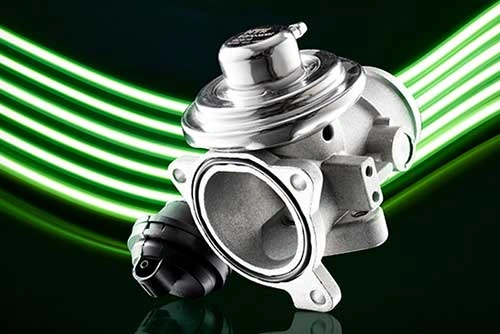
EGR valves are widely used in today’s diesel engines and in a growing number of petrol engines. Designed to help reduce NOx emissions and support engine protection , NTK EGR valves are rigorously tested against demanding technical and performance requirements.

Around 86 million cars equipped in EMEA (source: TecDoc)

Supports NOx emissions reduction within vehicle emissions control systems

42% coverage of vehicles in operation in EMEA

Comprehensive technical support

EGR Valves Function Principles
Nitrogen oxides (NOx) are a byproduct of the combustion process. NOx is created when high combustion temperatures enable the nitrogen and oxygen present in the air-fuel mixture to combine. To reduce these harmful emissions the EGR valve takes exhaust gases from the exhaust manifold and reintroduces them into the intake manifold, mixing them with fresh air. Since the intake air contains less oxygen, the combustion temperature cannot reach the same levels, which is why less NOx is produced during the combustion process.
EGR valves are developed in line with Niterra’s established quality requirements. To ensure this, all our valve types have undergone and passed testing carried out in extreme conditions. This includes thermal shock testing in temperatures ranging from -40°C to 150°C, tests on valve, cavity and cooling leakage, as well as electrical resistance and lifecycle.

Types of EGR Valves




This video shows the airflow through the components in the vehicle to the exhaust tract.


Frequently Asked Questions - EGR Valves


